Published 1 April 2026 | 6 minute read
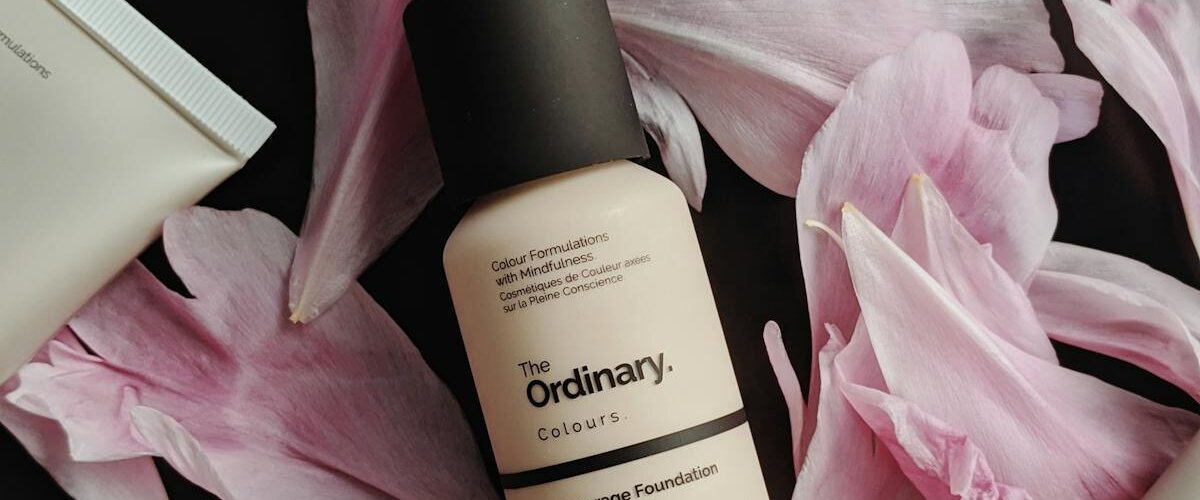
"Vegan beauty" is everywhere. From high-street chemists to luxury department stores, the term appears on countless products. But what does it actually mean? Is there a legal definition? And how can you tell the genuine vegan products from clever marketing?
Let's demystify vegan beauty standards in the UK.
The Legal Position
Here's the thing that surprises most people: in the UK, there is currently no legal definition of "vegan" when it comes to cosmetics. Unlike food labelling, which is strictly regulated, beauty brands can technically use the word "vegan" without meeting any specific legal standard.
This doesn't mean it's a free-for-all. The Advertising Standards Authority (ASA) can take action against misleading claims, and consumer protection laws apply. But it does mean that voluntary certification schemes play a crucial role in maintaining standards.
Key UK Certifications
The Vegan Society Trademark
Founded in 1944 in the UK, The Vegan Society operates the oldest and most recognised vegan trademark in the world. Products bearing their sunflower logo must:
- Contain no animal-derived ingredients
- Not involve animal testing at any stage (including ingredients)
- Not use any animal-derived GMOs
- Not use processing aids derived from animals
This is widely considered the gold standard for vegan certification in the UK.
Leaping Bunny (BUAV/Cruelty Free International)
While specifically a cruelty-free certification rather than a vegan one, the Leaping Bunny logo is an important indicator. Products must meet rigorous criteria including a supplier monitoring system that goes beyond just the final product to cover all ingredients.
COSMOS/Soil Association Organic
The COSMOS certification (used by the Soil Association in the UK) focuses on organic and natural standards. While not specifically a vegan certification, many COSMOS-certified products are also vegan. The certification ensures ingredients are genuinely natural and sustainably sourced.
What "Vegan" Should Mean in Practice
A genuinely vegan beauty product should meet these criteria:
No Animal-Derived Ingredients
This includes obvious ingredients like beeswax and lanolin, but also less obvious ones. Some ingredients have both animal and plant sources — for example, squalane can come from shark liver oil or olives, and glycerin can be animal or plant-derived. A truly vegan product uses only plant-based versions.
No Animal Testing
While animal testing for finished cosmetic products has been banned in the UK since 1998 (and across the EU since 2013), the picture is more complex than it appears. Some ingredients may have been tested on animals in the past or in other countries.
The most committed vegan brands ensure that neither their products nor their ingredients have been tested on animals at any point in their supply chain.
Ethical Sourcing
Beyond the product itself, responsible vegan brands consider the broader impact of their ingredients. This includes fair trade practices, sustainable harvesting, and minimal environmental impact.
Spotting Greenwashing
Greenwashing — making misleading environmental or ethical claims — is unfortunately common in the beauty industry. Here are some red flags:
- "Natural" without certification: There's no legal definition of "natural" in cosmetics. A product could be 5% natural and still use the term
- Vague claims: Watch out for phrases like "inspired by nature" or "naturally derived" without specific details
- Green packaging without substance: Pretty botanical packaging doesn't guarantee natural or vegan contents
- Self-certified logos: Some brands create their own "vegan" or "natural" logos without independent verification
- "Not tested on animals" without context: This might simply mean the finished product wasn't tested, while individual ingredients were
How We Choose Products at Bloom Beauty UK
At Bloom Beauty UK, we go beyond label claims. We personally vet every supplier and product we stock:
- We read full ingredient lists for every product, checking each ingredient for animal origin
- We only work with brands that have clear, transparent cruelty-free policies
- We prioritise brands with independent certifications (Vegan Society, Leaping Bunny, B Corp)
- We visit or communicate directly with our UK-based suppliers
- We never stock a product we haven't personally tested and believe in
The Future of Vegan Beauty in the UK
The trend towards vegan beauty in the UK shows no signs of slowing down. Industry analysts predict the global vegan cosmetics market will reach £20 billion by 2028, with the UK being one of the fastest-growing markets.
As demand grows, we expect to see clearer regulations, more innovation in plant-based ingredients, and increasingly competitive pricing. The future of beauty is vegan, natural, and kind — and the UK is leading the way.
Browse our complete collection of 100% vegan skincare from trusted UK suppliers.