Published 15 February 2026 | 10 minute read
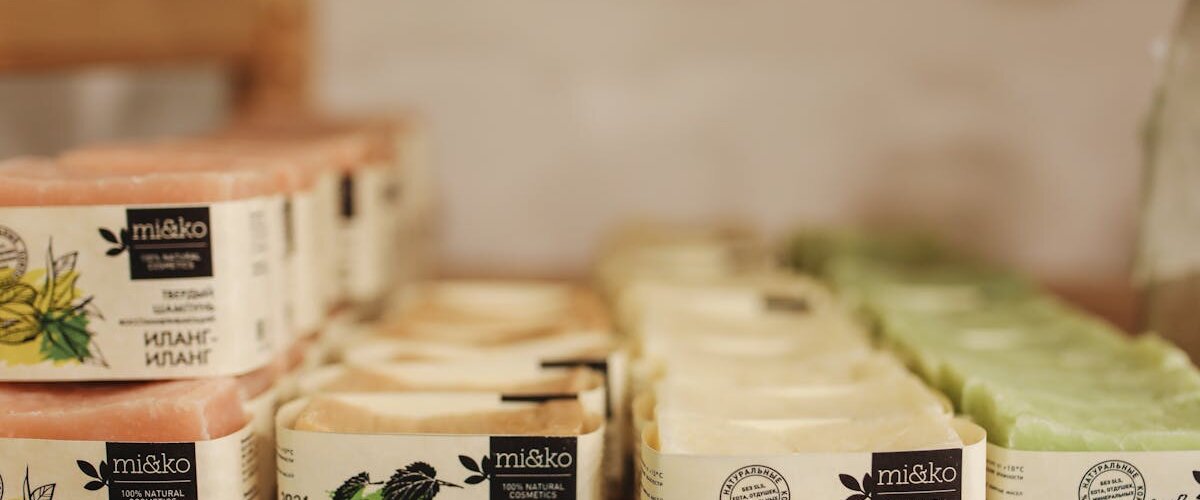
The UK vegan beauty market has exploded in recent years, with more consumers than ever seeking skincare products that align with their ethical values. But navigating the world of vegan skincare can feel overwhelming. What exactly makes a product "vegan"? How do you spot the genuine articles from the greenwashers? And which products actually deliver results?
In this comprehensive guide, we break down everything you need to know about building a vegan skincare routine in the UK.
What Makes Skincare "Vegan"?
At its core, vegan skincare means products that contain no animal-derived ingredients whatsoever. This goes beyond the obvious (no beeswax, no lanolin) to include ingredients that many people are surprised to learn come from animals.
Common non-vegan ingredients to watch out for include:
- Lanolin — derived from sheep's wool grease, commonly found in lip balms and heavy moisturisers
- Beeswax (Cera Alba) — used as an emulsifier and texture agent in balms and creams
- Carmine (CI 75470) — a red pigment made from crushed cochineal beetles, found in tinted products
- Squalene — traditionally derived from shark liver oil (note: squalANE from olives is vegan)
- Collagen — traditionally sourced from animal connective tissue (plant-based alternatives now exist)
- Keratin — from animal hair, hooves, or feathers, common in hair products
- Guanine — from fish scales, used for shimmer effects
Vegan vs Cruelty-Free: Understanding the Difference
These terms are often used interchangeably, but they mean different things. A product can be vegan (no animal ingredients) but still tested on animals. Conversely, a cruelty-free product might contain beeswax or lanolin.
For the most ethical choice, look for products that are both vegan and cruelty-free. At Bloom Beauty UK, every product we stock meets both criteria.
UK Certifications to Look For
Several certifications can help you identify genuine vegan and cruelty-free products:
- The Vegan Society Trademark — the gold standard for vegan products in the UK. Products must contain no animal ingredients and not be tested on animals
- Leaping Bunny (BUAV) — the international gold standard for cruelty-free products. Requires a supplier monitoring system
- PETA's Beauty Without Bunnies — companies self-certify that they don't test on animals
- Soil Association Organic — while not specifically vegan, their organic certification ensures natural ingredients
- B Corp — a broader ethical certification covering environmental and social practices
Building Your Vegan Skincare Routine
A good vegan skincare routine follows the same principles as any skincare routine — cleanse, treat, moisturise — just with plant-based ingredients.
Step 1: Cleanse
Start with a gentle, plant-based cleanser that removes dirt and makeup without stripping your skin's natural oils. Look for cleansers with ingredients like coconut-derived surfactants, chamomile, and aloe vera. Our Canvas Organic Cream Cleanser is a perfect example — it uses organic rosehip and jojoba oils for a thorough yet gentle cleanse.
Step 2: Tone
An alcohol-free toner helps balance your skin's pH and prep it for the next steps. Rose water and witch hazel are brilliant vegan toning ingredients. Try our Wild Rose Brightening Toner for a refreshing, pore-refining step.
Step 3: Treat
This is where targeted serums and oils come in. Whether you're tackling dark spots with vitamin C, hydrating with hyaluronic acid, or fighting fine lines with rosehip oil, there are excellent vegan options available. Our 25 Again Face Oil Serum combines 25 active botanicals for comprehensive anti-ageing treatment.
Step 4: Moisturise
Lock in all that goodness with a rich, plant-based moisturiser. Shea butter, cocoa butter, and plant-derived hyaluronic acid all provide deep, lasting hydration without any animal ingredients.
Step 5: Protect
During the day, always finish with SPF. Look for mineral sunscreens using zinc oxide, which provides broad-spectrum protection and is naturally vegan.
Common Myths About Vegan Skincare
Myth: Vegan skincare isn't as effective.
Reality: Many of the most powerful skincare ingredients are plant-derived. Vitamin C, hyaluronic acid (produced via fermentation), niacinamide, and retinol alternatives like bakuchiol are all vegan and clinically proven.
Myth: Vegan products are always expensive.
Reality: While some premium vegan brands command higher prices, there are excellent affordable options. Faith in Nature, for example, offers B Corp certified natural products at supermarket-friendly prices.
Myth: "Natural" means "vegan."
Reality: Not necessarily. Honey, beeswax, and lanolin are all natural but not vegan. Always check the full ingredient list.
Supporting UK Vegan Beauty Brands
The UK is home to some of the world's best vegan skincare brands. By choosing British-made products, you're supporting local businesses, reducing shipping emissions, and benefiting from the UK's strict cosmetics regulations.
Our suppliers include SheaByNature in Yorkshire (handmade shea butter skincare), Wild Rising Skincare in Devon (organic face care with local botanicals), and Faith in Nature (B Corp certified, making natural products since 1974).
Making the Switch
You don't need to overhaul your entire routine overnight. Start by replacing products as they run out with vegan alternatives. This approach is easier on your wallet and gives your skin time to adjust.
At Bloom Beauty UK, we've done the hard work of sourcing, testing, and curating the best vegan skincare from UK makers. Every product in our shop is 100% vegan, cruelty-free, and made with natural ingredients you can trust.
Ready to start your vegan skincare journey? Browse our full range and discover your new favourites.